David All · UAHS class of '97
I grew up in Upper Arlington — starting on Chester, moving to Henthorn for middle and high school, and finally Ashmore. I traded in the lacrosse stick for the pole saw, but the footwork's the same. My roots here go back generations: my grandparents, the Seegers, raised my father and aunt on Wesleyan and were founding members of UA Lutheran Church.
I returned to Upper Arlington after my father passed away. Walking past Jones and Barrington, I was moved by the ancient Oaks — the living vision of the stewards who built this neighborhood. My career had taken me all over the world. My roots stayed here.
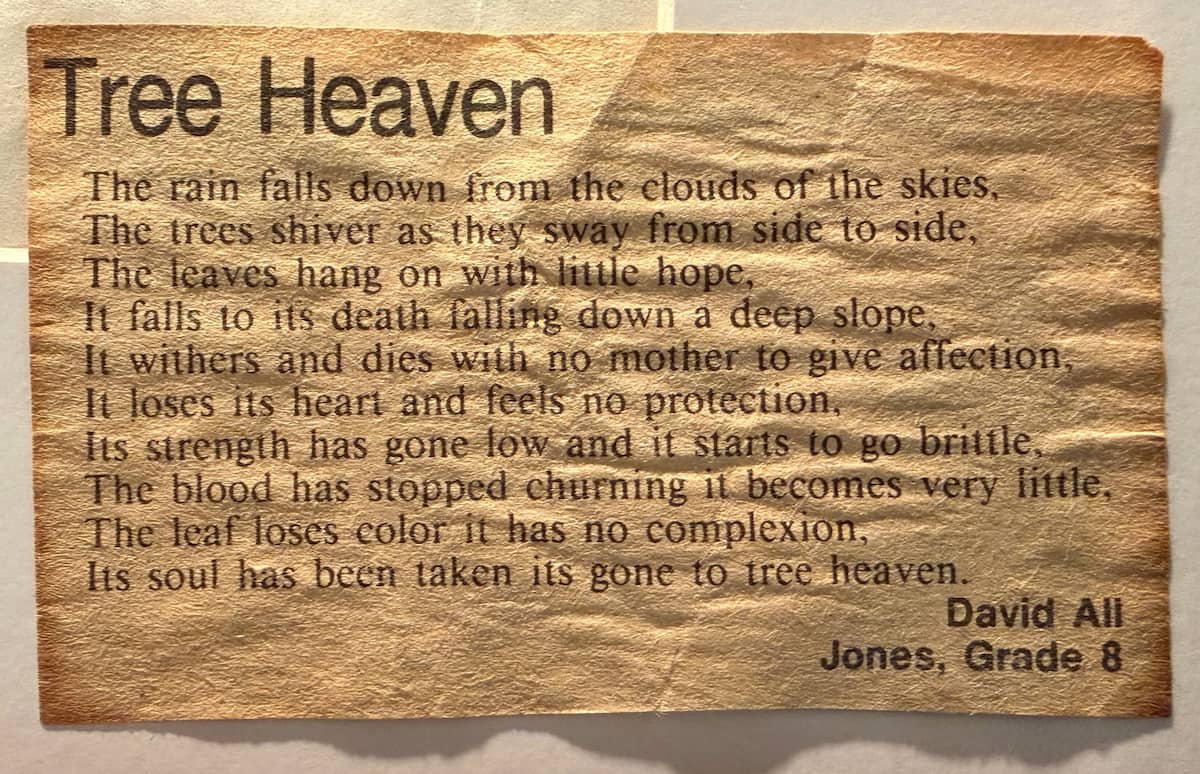
I spent my youth under one of the tallest oak canopies in the city. In middle school, I wrote a poem called 'Tree Heaven' that was published in the UA News. My parents planted trees everywhere we lived in UA; today, those trees are thriving.
What I brought back wasn't just a business plan — it was a practitioner's path. From old-growth forest on the Olympic Peninsula to our family's heritage apple orchard in Pennsylvania, I learned that a tree is a patient, not a project. Antiseptic tools, clean angles, and the nightly walk to see what has changed.
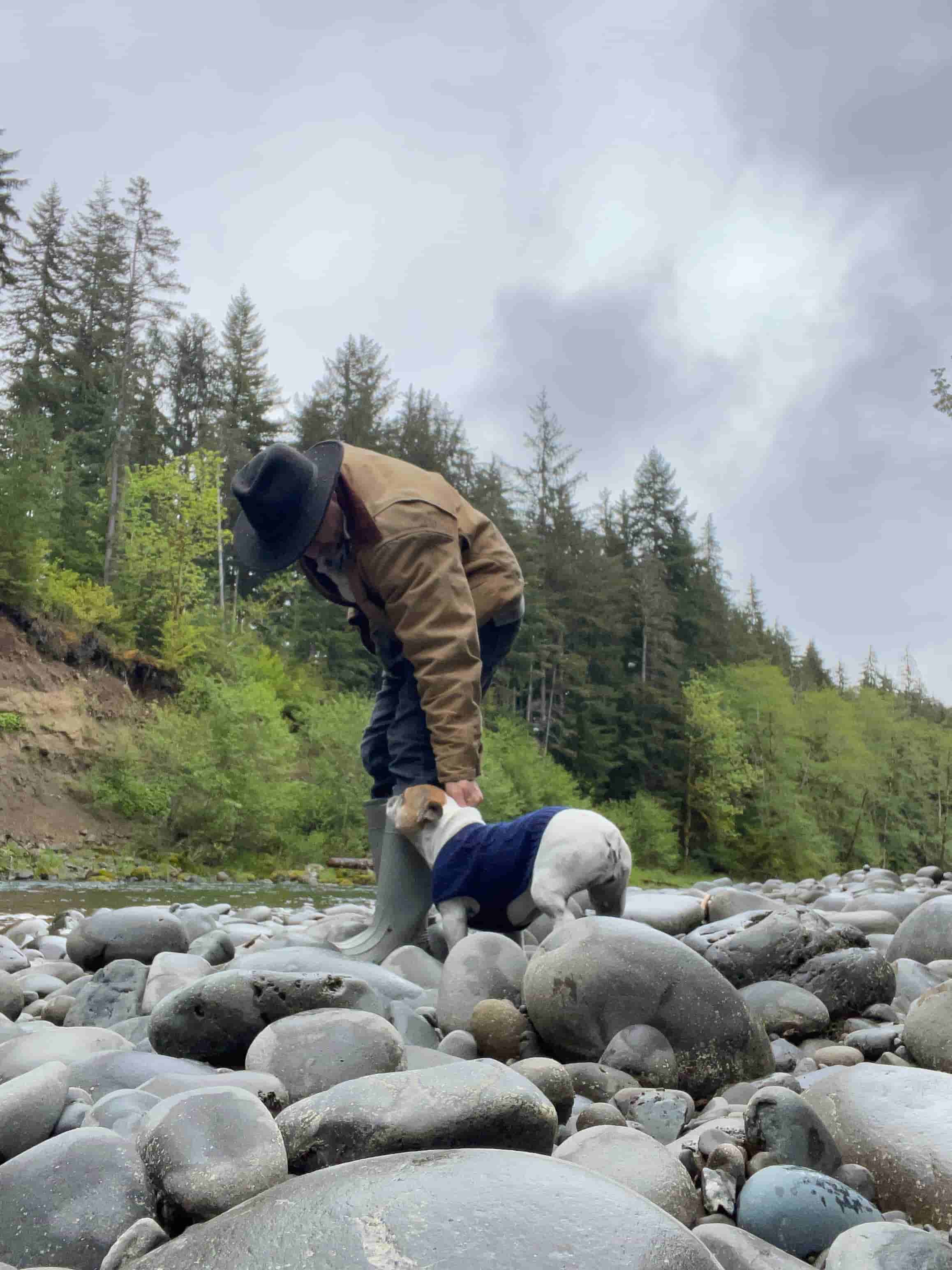
During COVID I left California’s most iconic city with no destination in mind. I’d heard there was a rain forest in America and couldn’t quite believe it — I had to go see. I ended up living on a family-trust old-growth preserve on the Sol Duc River in Beaver, Washington, along one of the last wild runs of coho and steelhead. I thought I’d learn to fish. Instead I learned the cycle of the fish, and how you restore and steward a natal creek — from two brothers, both veterans, who no longer see eye to eye politically but who grew up on that land and share one purpose: the forest, the river, and everything living off them.
I learned to fell big timber in Forks, Washington — not from a manual, but from Jerry Lapel. I also watched clear-cutting up close, and nothing I’ve witnessed has broken my heart like it. What I carried out wasn’t about the cut itself; it was about what happens next door — every tree left standing that had depended on the forest around it. That, and a permanent respect for the saw. Out here in the city I rarely see a man wearing eye protection, let alone chaps. I’ve seen the saw kick enough times to know safety matters.
Safety matters — but preservation comes first.
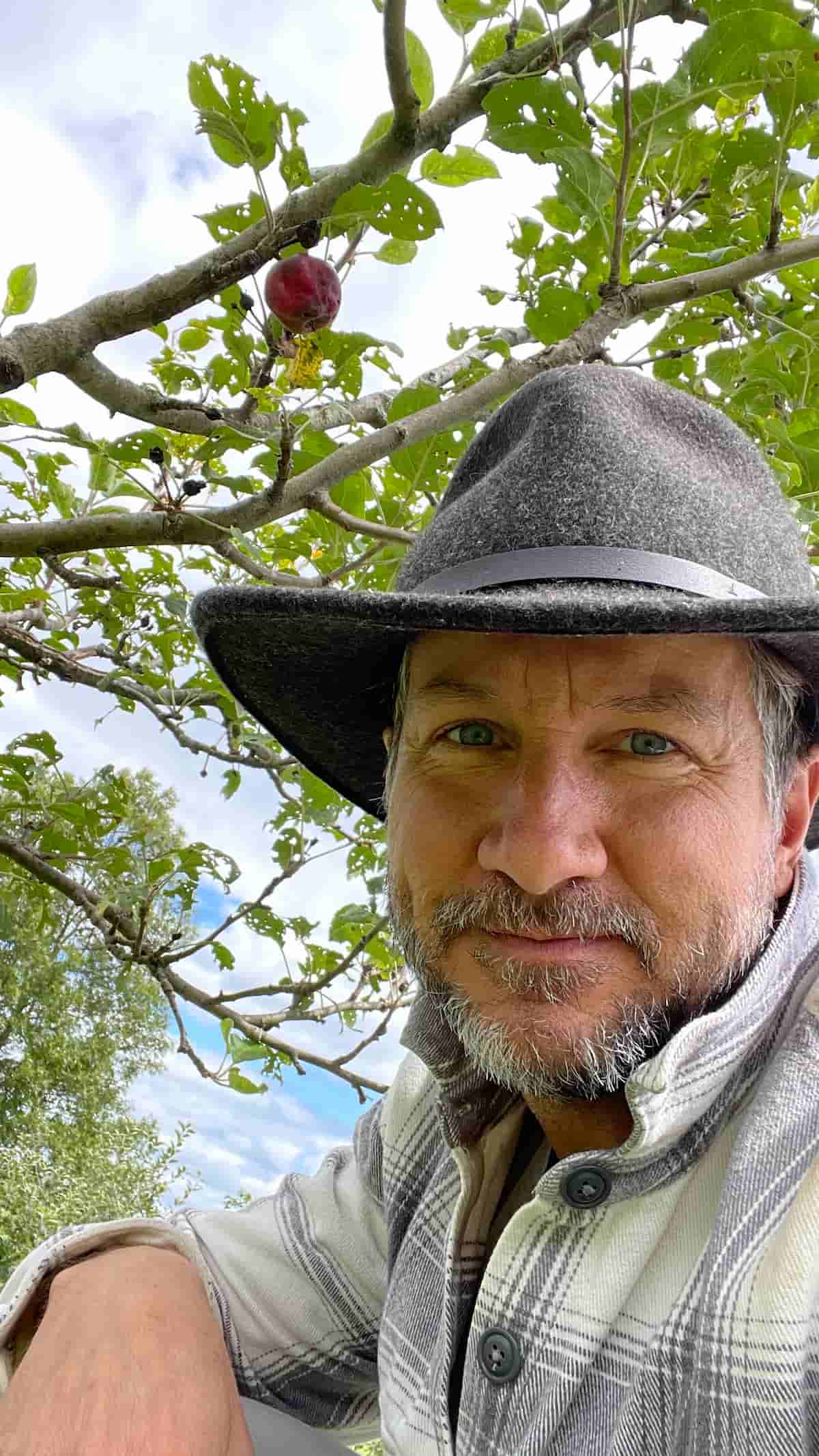
From the forest I went to our family’s heritage apple orchard in Central Pennsylvania — the opposite discipline. An orchardist is a farmer, not a city tree company. We walked those rows every night, and grew organically, by hand, because that’s what it takes when the fruit is the whole point. Orchard trees are Olympic athletes: pushed to the edge of what a tree can do, and they only perform if somebody is paying attention every week of the year.
Upper Arlington Tree Co. is an honest way to make a living. I work the streets I grew up on, using a few razor-sharp tools from my grandfather's collection to care for what's been here longer than any of us.
I make my living keeping your trees alive, not cutting them down. Sometimes a big tree genuinely has to go — and when a job truly needs a full crew, I send you to people I trust. A handshake that's been good in this neighborhood for four generations, never a kickback.
Forty years apart
One Soul, Many Trees.
Read the poems →